The Rise of Micro-Mobility Solutions in Spain: A New Era of Urban Travel


The Advent of Micro-Mobility in Spain
In recent years, Spain has witnessed a significant transformation in urban travel, spearheaded by the rise of micro-mobility solutions. As cities grapple with congestion and pollution, these innovative modes of transport offer a sustainable and efficient alternative. From e-scooters to shared bicycles, micro-mobility is redefining how people navigate urban landscapes.

Why Micro-Mobility is Gaining Popularity
The popularity of micro-mobility solutions in Spain can be attributed to several factors. First and foremost, they provide a convenient way to cover short distances, especially in bustling city centers where traditional vehicles often face traffic snarls. Moreover, as environmental awareness grows, many urban dwellers are keen to reduce their carbon footprint, making electric scooters and bikes attractive options.
Another important factor is the affordability of these solutions. Compared to owning a car, the cost of using shared e-scooters or bicycles is relatively low, making them accessible to a broader segment of the population. This democratization of urban transport is a crucial element in their rising popularity.
Impact on Urban Infrastructure
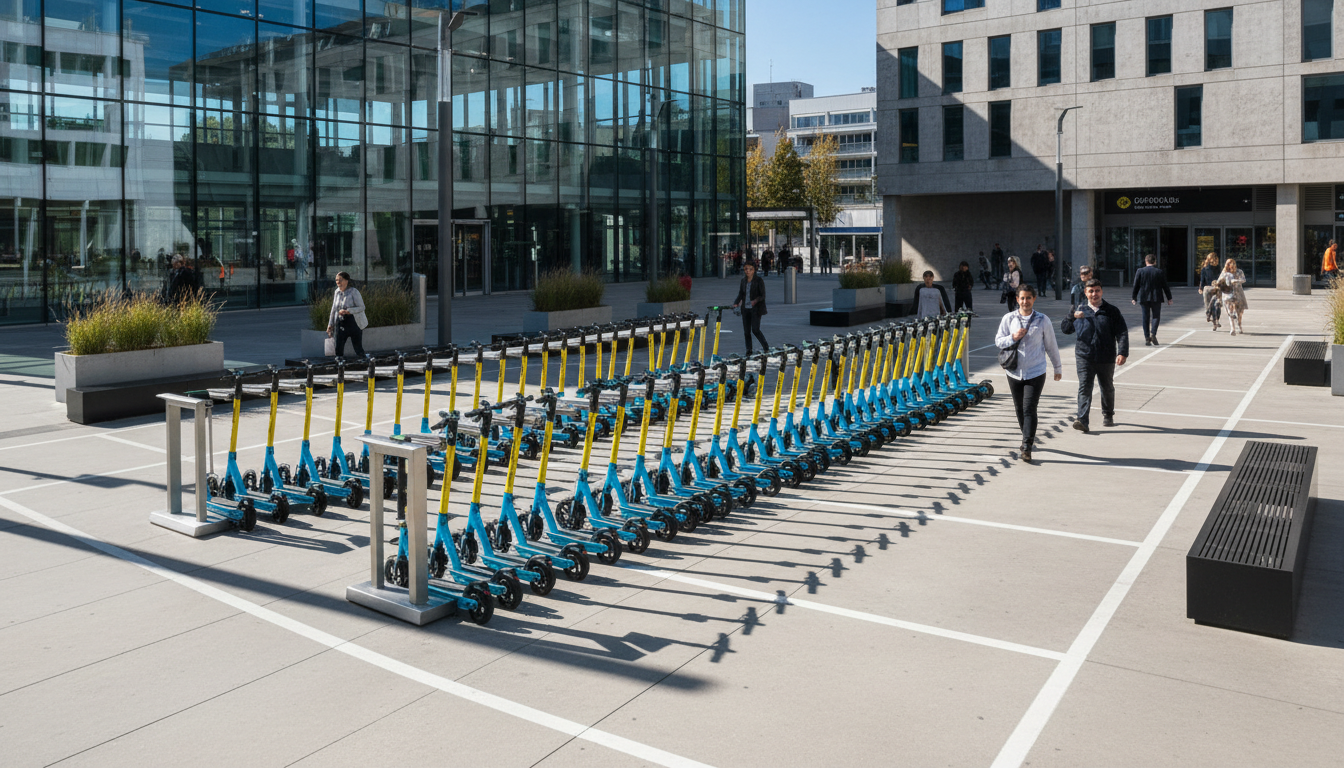
The rise of micro-mobility is also influencing urban infrastructure in Spain. Cities are adapting to this trend by expanding bike lanes and creating designated parking areas for e-scooters and bicycles. This shift not only enhances safety for users but also encourages more people to opt for these eco-friendly travel options.

Moreover, local governments are collaborating with micro-mobility companies to integrate these solutions into public transportation networks. This seamless integration is essential for creating a cohesive and efficient urban mobility ecosystem.
Challenges and Considerations
Despite their benefits, micro-mobility solutions are not without challenges. Concerns about safety, particularly involving e-scooters, have prompted calls for stricter regulations. The need for proper maintenance and responsible usage is paramount to ensure the safety of all road users.
Additionally, managing the clutter of parked e-scooters and bicycles in public spaces is a logistical challenge that cities are addressing. Innovative solutions, such as designated parking zones and automated docking stations, are being explored to tackle these issues.
The Future of Micro-Mobility in Spain
Looking ahead, the future of micro-mobility in Spain appears promising. As technology advances, we can expect more user-friendly and efficient solutions to emerge. The integration of artificial intelligence and data analytics could further enhance the safety and convenience of these transport modes.
Ultimately, the success of micro-mobility in Spain will depend on the collaboration between city planners, service providers, and the public. By working together, they can create a sustainable urban transport landscape that benefits everyone.
Conclusion
The rise of micro-mobility solutions in Spain marks a new era of urban travel. By offering a convenient, affordable, and environmentally friendly alternative, these innovations are transforming the way people move around cities. As Spain continues to embrace these changes, the future of urban travel looks brighter and more sustainable than ever.